
Streptolysin O (Streptococcus pyogenes) (T3D2622)
| Record Information | |||||||||||
|---|---|---|---|---|---|---|---|---|---|---|---|
| Version | 2.0 | ||||||||||
| Creation Date | 2009-07-06 18:11:36 UTC | ||||||||||
| Update Date | 2014-12-24 20:25:47 UTC | ||||||||||
| Accession Number | T3D2622 | ||||||||||
| Identification | |||||||||||
| Common Name | Streptolysin O (Streptococcus pyogenes) | ||||||||||
| Class | Protein | ||||||||||
| Description | Streptolysin O is a hemolytic exotoxin produced by Streptococcus pyogenes. Streptolysin O is an oxygen-labile leukocidin. (3) | ||||||||||
| Compound Type |
| ||||||||||
| Protein Structure | 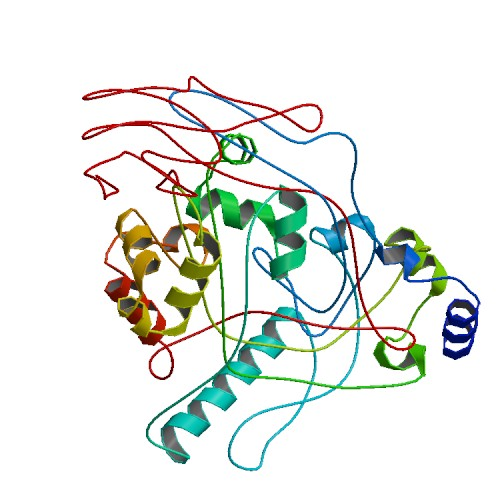 | ||||||||||
| Synonyms |
| ||||||||||
| Chemical Formula | Not Available | ||||||||||
| Average Molecular Mass | 63637.990 g/mol | ||||||||||
| CAS Registry Number | 98072-47-0 | ||||||||||
| Sequence | Not Available | ||||||||||
| Chemical Taxonomy | |||||||||||
| Description | Not Available | ||||||||||
| Kingdom | Organic Compounds | ||||||||||
| Super Class | Organic Acids | ||||||||||
| Class | Carboxylic Acids and Derivatives | ||||||||||
| Sub Class | Amino Acids, Peptides, and Analogues | ||||||||||
| Direct Parent | Peptides | ||||||||||
| Alternative Parents | Not Available | ||||||||||
| Substituents | Not Available | ||||||||||
| Molecular Framework | Not Available | ||||||||||
| External Descriptors | Not Available | ||||||||||
| Biological Properties | |||||||||||
| Status | Detected and Not Quantified | ||||||||||
| Origin | Exogenous | ||||||||||
| Cellular Locations | Not Available | ||||||||||
| Biofluid Locations | Not Available | ||||||||||
| Tissue Locations | Not Available | ||||||||||
| Pathways | Not Available | ||||||||||
| Applications | Not Available | ||||||||||
| Biological Roles | Not Available | ||||||||||
| Chemical Roles | Not Available | ||||||||||
| Physical Properties | |||||||||||
| State | Liquid | ||||||||||
| Appearance | Clear solution. | ||||||||||
| Experimental Properties |
| ||||||||||
| Predicted Properties | Not Available | ||||||||||
| Spectra | |||||||||||
| Spectra |
| ||||||||||
| Toxicity Profile | |||||||||||
| Route of Exposure | Ingestion (4) ; inhalation (4) ; dermal (4) | ||||||||||
| Mechanism of Toxicity | Streptolysin O binds to cholesterol on eukaryotic cell membranes, then is able to lyse them. (2) | ||||||||||
| Metabolism | Free toxin may be removed by opsonization via the reticuloendothelial system (primarily the liver and kidneys) or it may be degraded through cellular internalization via the lysosomes. Lysosomes are membrane-enclosed organelles that contain an array of digestive enzymes, including several proteases. | ||||||||||
| Toxicity Values | LD50: 8 ug/mg (Intravenous, Mouse) (1) | ||||||||||
| Lethal Dose | Not Available | ||||||||||
| Carcinogenicity (IARC Classification) | No indication of carcinogenicity to humans (not listed by IARC). | ||||||||||
| Uses/Sources | Streptolysin O is a hemolytic exotoxin produced by Streptococcus pyogenes. (3) | ||||||||||
| Minimum Risk Level | Not Available | ||||||||||
| Health Effects | Streptolysin O is a hemolytic exotoxin. (3) | ||||||||||
| Symptoms | Streptolysin O is a hemolytic exotoxin. (3) | ||||||||||
| Treatment | Not Available | ||||||||||
| Normal Concentrations | |||||||||||
| Not Available | |||||||||||
| Abnormal Concentrations | |||||||||||
| Not Available | |||||||||||
| External Links | |||||||||||
| DrugBank ID | Not Available | ||||||||||
| HMDB ID | Not Available | ||||||||||
| PubChem Compound ID | Not Available | ||||||||||
| ChEMBL ID | Not Available | ||||||||||
| ChemSpider ID | Not Available | ||||||||||
| KEGG ID | Not Available | ||||||||||
| UniProt ID | P0C0I3 | ||||||||||
| OMIM ID | |||||||||||
| ChEBI ID | Not Available | ||||||||||
| BioCyc ID | Not Available | ||||||||||
| CTD ID | Not Available | ||||||||||
| Stitch ID | Streptolysin O | ||||||||||
| PDB ID | Not Available | ||||||||||
| ACToR ID | Not Available | ||||||||||
| Wikipedia Link | Not Available | ||||||||||
| References | |||||||||||
| Synthesis Reference | Not Available | ||||||||||
| MSDS | T3D2622.pdf | ||||||||||
| General References |
| ||||||||||
| Gene Regulation | |||||||||||
| Up-Regulated Genes | Not Available | ||||||||||
| Down-Regulated Genes | Not Available | ||||||||||
Targets
References
- Armas LA, Hollis BW, Heaney RP: Vitamin D2 is much less effective than vitamin D3 in humans. J Clin Endocrinol Metab. 2004 Nov;89(11):5387-91. [15531486 ]
- The UniProt Consortium. The Universal Protein Resource (UniProt) Nucleic Acids Res. 2008;36:D190-D195.