
Sticholysin (T3D2552)
| Record Information | |||||||||||
|---|---|---|---|---|---|---|---|---|---|---|---|
| Version | 2.0 | ||||||||||
| Creation Date | 2009-07-03 22:19:22 UTC | ||||||||||
| Update Date | 2014-12-24 20:25:41 UTC | ||||||||||
| Accession Number | T3D2552 | ||||||||||
| Identification | |||||||||||
| Common Name | Sticholysin | ||||||||||
| Class | Protein | ||||||||||
| Description | Sticholysin is peptide toxin produce by the Caribbean sea anemone (Stoichactis helianthus). (1) | ||||||||||
| Compound Type |
| ||||||||||
| Protein Structure | 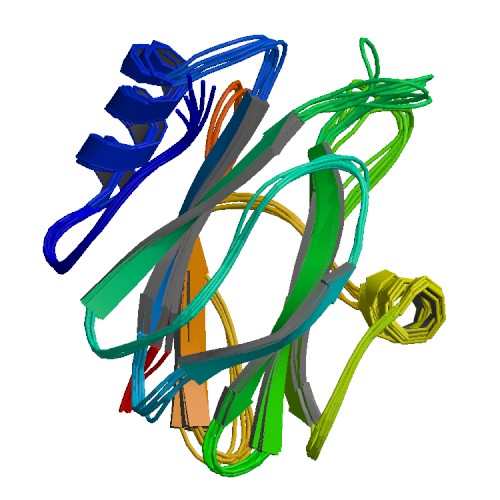 | ||||||||||
| Synonyms |
| ||||||||||
| Chemical Formula | Not Available | ||||||||||
| Average Molecular Mass | 19390.885 g/mol | ||||||||||
| CAS Registry Number | 269658-04-0; 183449-91-4 | ||||||||||
| Sequence | Not Available | ||||||||||
| Chemical Taxonomy | |||||||||||
| Description | Not Available | ||||||||||
| Kingdom | Organic Compounds | ||||||||||
| Super Class | Organic Acids | ||||||||||
| Class | Carboxylic Acids and Derivatives | ||||||||||
| Sub Class | Amino Acids, Peptides, and Analogues | ||||||||||
| Direct Parent | Peptides | ||||||||||
| Alternative Parents | Not Available | ||||||||||
| Substituents | Not Available | ||||||||||
| Molecular Framework | Not Available | ||||||||||
| External Descriptors | Not Available | ||||||||||
| Biological Properties | |||||||||||
| Status | Detected and Not Quantified | ||||||||||
| Origin | Exogenous | ||||||||||
| Cellular Locations | Not Available | ||||||||||
| Biofluid Locations | Not Available | ||||||||||
| Tissue Locations | Not Available | ||||||||||
| Pathways | Not Available | ||||||||||
| Applications | Not Available | ||||||||||
| Biological Roles | Not Available | ||||||||||
| Chemical Roles | Not Available | ||||||||||
| Physical Properties | |||||||||||
| State | Liquid | ||||||||||
| Appearance | Clear solution. | ||||||||||
| Experimental Properties |
| ||||||||||
| Predicted Properties | Not Available | ||||||||||
| Spectra | |||||||||||
| Spectra |
| ||||||||||
| Toxicity Profile | |||||||||||
| Route of Exposure | Injection (sting/bite) (2) | ||||||||||
| Mechanism of Toxicity | Sticholysin is a cardiac stimulatory and hemolytic pore-forming protein. Pore formation likely proceeds by membrane binding via a surface rich in aromatic residues, followed by translocation of the N-terminal region to the membrane and, finally, across the bilayer to form a functional pore. Cytolytic effects include red blood cells hemolysis, platelet aggregation and lysis, and cytotoxic and cytostatic effects on fibroblasts. (1) | ||||||||||
| Metabolism | Free toxin may be removed by opsonization via the reticuloendothelial system (primarily the liver and kidneys) or it may be degraded through cellular internalization via the lysosomes. Lysosomes are membrane-enclosed organelles that contain an array of digestive enzymes, including several proteases. | ||||||||||
| Toxicity Values | Not Available | ||||||||||
| Lethal Dose | Not Available | ||||||||||
| Carcinogenicity (IARC Classification) | No indication of carcinogenicity to humans (not listed by IARC). | ||||||||||
| Uses/Sources | Sticholysin is peptide toxin produce by the Carribean sea anemone (Stoichactis helianthus). (1) | ||||||||||
| Minimum Risk Level | Not Available | ||||||||||
| Health Effects | Death from sticholysin in mammals has been known to occur from severe vasospasm of coronary vessels, cardiac arrhythmia, and inotropic effects. (1) | ||||||||||
| Symptoms | Death from sticholysin in mammals has been known to occur from severe vasospasm of coronary vessels, cardiac arrhythmia, and inotropic effects. (1) | ||||||||||
| Treatment | Not Available | ||||||||||
| Normal Concentrations | |||||||||||
| Not Available | |||||||||||
| Abnormal Concentrations | |||||||||||
| Not Available | |||||||||||
| External Links | |||||||||||
| DrugBank ID | Not Available | ||||||||||
| HMDB ID | Not Available | ||||||||||
| PubChem Compound ID | Not Available | ||||||||||
| ChEMBL ID | Not Available | ||||||||||
| ChemSpider ID | Not Available | ||||||||||
| KEGG ID | Not Available | ||||||||||
| UniProt ID | P81662 | ||||||||||
| OMIM ID | |||||||||||
| ChEBI ID | Not Available | ||||||||||
| BioCyc ID | Not Available | ||||||||||
| CTD ID | Not Available | ||||||||||
| Stitch ID | Not Available | ||||||||||
| PDB ID | 2KS4 | ||||||||||
| ACToR ID | Not Available | ||||||||||
| Wikipedia Link | Not Available | ||||||||||
| References | |||||||||||
| Synthesis Reference | Not Available | ||||||||||
| MSDS | Not Available | ||||||||||
| General References |
| ||||||||||
| Gene Regulation | |||||||||||
| Up-Regulated Genes | Not Available | ||||||||||
| Down-Regulated Genes | Not Available | ||||||||||