
beta-Pompilidotoxin (T3D2491)
| Record Information | |||||||||||
|---|---|---|---|---|---|---|---|---|---|---|---|
| Version | 2.0 | ||||||||||
| Creation Date | 2009-07-03 22:18:57 UTC | ||||||||||
| Update Date | 2014-12-24 20:25:36 UTC | ||||||||||
| Accession Number | T3D2491 | ||||||||||
| Identification | |||||||||||
| Common Name | beta-Pompilidotoxin | ||||||||||
| Class | Protein | ||||||||||
| Description | beta-Pompilidotoxin is a toxin from the venom of the Solitary wasp (Batozonellus maculifrons). It is named after the pompilidae wasp family. (2) | ||||||||||
| Compound Type |
| ||||||||||
| Protein Structure | 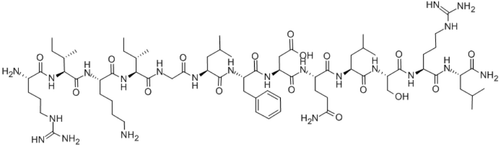 | ||||||||||
| Synonyms |
| ||||||||||
| Chemical Formula | Not Available | ||||||||||
| Average Molecular Mass | 1558.860 g/mol | ||||||||||
| CAS Registry Number | 216064-36-7 | ||||||||||
| Sequence | Not Available | ||||||||||
| Chemical Taxonomy | |||||||||||
| Description | Not Available | ||||||||||
| Kingdom | Organic Compounds | ||||||||||
| Super Class | Organic Acids | ||||||||||
| Class | Carboxylic Acids and Derivatives | ||||||||||
| Sub Class | Amino Acids, Peptides, and Analogues | ||||||||||
| Direct Parent | Peptides | ||||||||||
| Alternative Parents | Not Available | ||||||||||
| Substituents | Not Available | ||||||||||
| Molecular Framework | Not Available | ||||||||||
| External Descriptors | Not Available | ||||||||||
| Biological Properties | |||||||||||
| Status | Detected and Not Quantified | ||||||||||
| Origin | Exogenous | ||||||||||
| Cellular Locations | Not Available | ||||||||||
| Biofluid Locations | Not Available | ||||||||||
| Tissue Locations | Not Available | ||||||||||
| Pathways | Not Available | ||||||||||
| Applications | Not Available | ||||||||||
| Biological Roles | Not Available | ||||||||||
| Chemical Roles | Not Available | ||||||||||
| Physical Properties | |||||||||||
| State | Liquid | ||||||||||
| Appearance | Clear solution. | ||||||||||
| Experimental Properties |
| ||||||||||
| Predicted Properties | Not Available | ||||||||||
| Spectra | |||||||||||
| Spectra |
| ||||||||||
| Toxicity Profile | |||||||||||
| Route of Exposure | Injection (sting/bite) (3) | ||||||||||
| Mechanism of Toxicity | Pompilidotoxin slows down inactivation of neuronal, but not heart sodium channels, potentiating synaptic transmission. This is believed to be done by binding to the neurotoxin receptor site 3 on the extracellular surface of the sodium channel. (2, 1) | ||||||||||
| Metabolism | Free toxin may be removed by opsonization via the reticuloendothelial system (primarily the liver and kidneys) or it may be degraded through cellular internalization via the lysosomes. Lysosomes are membrane-enclosed organelles that contain an array of digestive enzymes, including several proteases. | ||||||||||
| Toxicity Values | Not Available | ||||||||||
| Lethal Dose | Not Available | ||||||||||
| Carcinogenicity (IARC Classification) | No indication of carcinogenicity to humans (not listed by IARC). | ||||||||||
| Uses/Sources | beta-Pompilidotoxin is a toxin from the venom of the Solitary wasp (Batozonellus maculifrons). (2) | ||||||||||
| Minimum Risk Level | Not Available | ||||||||||
| Health Effects | beta-Pompilidotoxin is neurotoxic. (1) | ||||||||||
| Symptoms | Wasp and bee stings cause local pain and swelling. In some individuals an allergic reaction may result, which is usually anaphylactic and can be deadly. (4) | ||||||||||
| Treatment | Not Available | ||||||||||
| Normal Concentrations | |||||||||||
| Not Available | |||||||||||
| Abnormal Concentrations | |||||||||||
| Not Available | |||||||||||
| External Links | |||||||||||
| DrugBank ID | Not Available | ||||||||||
| HMDB ID | Not Available | ||||||||||
| PubChem Compound ID | Not Available | ||||||||||
| ChEMBL ID | Not Available | ||||||||||
| ChemSpider ID | Not Available | ||||||||||
| KEGG ID | Not Available | ||||||||||
| UniProt ID | P69392 | ||||||||||
| OMIM ID | |||||||||||
| ChEBI ID | Not Available | ||||||||||
| BioCyc ID | Not Available | ||||||||||
| CTD ID | Not Available | ||||||||||
| Stitch ID | Not Available | ||||||||||
| PDB ID | Not Available | ||||||||||
| ACToR ID | Not Available | ||||||||||
| Wikipedia Link | Not Available | ||||||||||
| References | |||||||||||
| Synthesis Reference | Not Available | ||||||||||
| MSDS | Not Available | ||||||||||
| General References |
| ||||||||||
| Gene Regulation | |||||||||||
| Up-Regulated Genes | Not Available | ||||||||||
| Down-Regulated Genes | Not Available | ||||||||||
Targets
- General Function:
- Voltage-gated sodium channel activity
- Specific Function:
- Mediates the voltage-dependent sodium ion permeability of excitable membranes. Assuming opened or closed conformations in response to the voltage difference across the membrane, the protein forms a sodium-selective channel through which Na(+) ions may pass in accordance with their electrochemical gradient.
- Gene Name:
- SCN1A
- Uniprot ID:
- P35498
- Molecular Weight:
- 228969.49 Da
References
- General Function:
- Voltage-gated sodium channel activity
- Specific Function:
- Tetrodotoxin-resistant channel that mediates the voltage-dependent sodium ion permeability of excitable membranes. Assuming opened or closed conformations in response to the voltage difference across the membrane, the protein forms a sodium-selective channel through which sodium ions may pass in accordance with their electrochemical gradient. Plays a role in neuropathic pain mechanisms.
- Gene Name:
- SCN10A
- Uniprot ID:
- Q9Y5Y9
- Molecular Weight:
- 220623.605 Da
References
- General Function:
- Voltage-gated sodium channel activity
- Specific Function:
- This protein mediates the voltage-dependent sodium ion permeability of excitable membranes. Assuming opened or closed conformations in response to the voltage difference across the membrane, the protein forms a sodium-selective channel through which sodium ions may pass in accordance with their electrochemical gradient. It is a tetrodotoxin-resistant sodium channel isoform. Also involved, with the contribution of the receptor tyrosine kinase NTRK2, in rapid BDNF-evoked neuronal depolarization.
- Gene Name:
- SCN11A
- Uniprot ID:
- Q9UI33
- Molecular Weight:
- 204919.66 Da
References
- General Function:
- Voltage-gated sodium channel activity
- Specific Function:
- Mediates the voltage-dependent sodium ion permeability of excitable membranes. Assuming opened or closed conformations in response to the voltage difference across the membrane, the protein forms a sodium-selective channel through which Na(+) ions may pass in accordance with their electrochemical gradient.
- Gene Name:
- SCN2A
- Uniprot ID:
- Q99250
- Molecular Weight:
- 227972.64 Da
References
- General Function:
- Voltage-gated sodium channel activity
- Specific Function:
- Mediates the voltage-dependent sodium ion permeability of excitable membranes. Assuming opened or closed conformations in response to the voltage difference across the membrane, the protein forms a sodium-selective channel through which Na(+) ions may pass in accordance with their electrochemical gradient.
- Gene Name:
- SCN3A
- Uniprot ID:
- Q9NY46
- Molecular Weight:
- 226291.905 Da
References
- General Function:
- Voltage-gated sodium channel activity
- Specific Function:
- This protein mediates the voltage-dependent sodium ion permeability of excitable membranes. Assuming opened or closed conformations in response to the voltage difference across the membrane, the protein forms a sodium-selective channel through which Na(+) ions may pass in accordance with their electrochemical gradient. This sodium channel may be present in both denervated and innervated skeletal muscle.
- Gene Name:
- SCN4A
- Uniprot ID:
- P35499
- Molecular Weight:
- 208059.175 Da
References
- General Function:
- Voltage-gated sodium channel activity involved in sa node cell action potential
- Specific Function:
- This protein mediates the voltage-dependent sodium ion permeability of excitable membranes. Assuming opened or closed conformations in response to the voltage difference across the membrane, the protein forms a sodium-selective channel through which Na(+) ions may pass in accordance with their electrochemical gradient. It is a tetrodotoxin-resistant Na(+) channel isoform. This channel is responsible for the initial upstroke of the action potential. Channel inactivation is regulated by intracellular calcium levels.
- Gene Name:
- SCN5A
- Uniprot ID:
- Q14524
- Molecular Weight:
- 226937.475 Da
References
- General Function:
- Voltage-gated sodium channel activity
- Specific Function:
- Mediates the voltage-dependent sodium ion permeability of excitable membranes. Assuming opened or closed conformations in response to the voltage difference across the membrane, the protein forms a sodium-selective channel through which Na(+) ions may pass in accordance with their electrochemical gradient.
- Gene Name:
- SCN7A
- Uniprot ID:
- Q01118
- Molecular Weight:
- 193491.605 Da
References
- General Function:
- Voltage-gated sodium channel activity
- Specific Function:
- Mediates the voltage-dependent sodium ion permeability of excitable membranes. Assuming opened or closed conformations in response to the voltage difference across the membrane, the protein forms a sodium-selective channel through which Na(+) ions may pass in accordance with their electrochemical gradient. In macrophages and melanoma cells, isoform 5 may participate in the control of podosome and invadopodia formation.
- Gene Name:
- SCN8A
- Uniprot ID:
- Q9UQD0
- Molecular Weight:
- 225278.005 Da
References
- General Function:
- Voltage-gated sodium channel activity
- Specific Function:
- Mediates the voltage-dependent sodium ion permeability of excitable membranes. Assuming opened or closed conformations in response to the voltage difference across the membrane, the protein forms a sodium-selective channel through which Na(+) ions may pass in accordance with their electrochemical gradient. It is a tetrodotoxin-sensitive Na(+) channel isoform. Plays a role in pain mechanisms, especially in the development of inflammatory pain (By similarity).
- Gene Name:
- SCN9A
- Uniprot ID:
- Q15858
- Molecular Weight:
- 226370.175 Da